Pest Control
Fumigation Services in Nairobi: What You Need to Know Before Treating Your Home or Business
Looking for fumigation services in Nairobi? Here is when fumigation is needed, how the process works, how to prepare your space and how to keep pests from coming back.
If you have been searching for fumigation services in Nairobi, you have probably already tried a supermarket spray or two. Retail products can knock down what you can see, but they rarely reach the eggs, nests and harbourage points behind your cabinets, in mattress seams or inside wall voids. That is the gap professional fumigation is designed to close.
This guide explains what fumigation actually involves, when it is the right call, how to prepare your home or business, and what to expect afterwards — so you can make an informed decision instead of guessing.
What Is Fumigation?
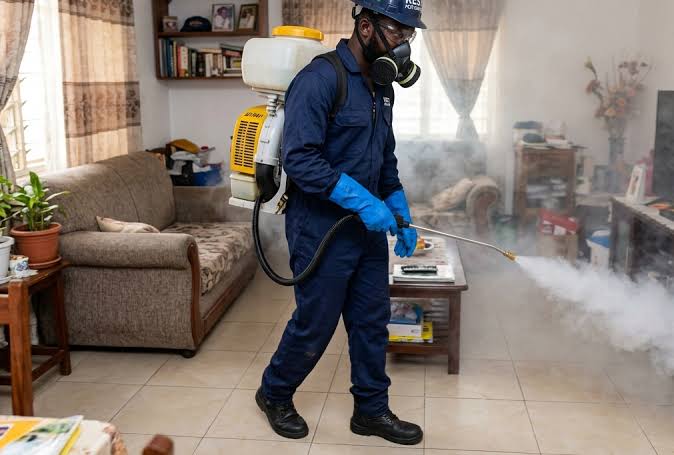
Fumigation is the treatment of an enclosed space with a pest-control product so that it reaches areas a surface spray cannot. In everyday Kenyan usage, "fumigation" is often used broadly to describe any thorough professional pest treatment of a house, office, godown or restaurant — including targeted spraying, gel baiting, dusting of wall voids and residual barrier treatments.
The important part is not the label but the method: a trained technician identifies the pest, chooses a product registered for that pest and that environment, applies it at the correct dosage, and returns to confirm the problem is gone.
When Do You Need Fumigation Services in Nairobi?
Not every sighting needs a full treatment. These situations usually do.
Cockroaches
Cockroaches thrive in warm kitchens, drainage lines and shared apartment risers. Daytime sightings, egg cases behind appliances or a musty smell under the sink all point to an established colony rather than a stray insect.
Bed bugs
Bed bugs are one of the most stubborn pests in Nairobi flats and hostels because they hide in seams, headboards, sockets and skirting. Bites in lines, dark specks on the mattress edge or a sweetish smell in the bedroom are the usual signs. Bed bug work needs a room-by-room treatment plus a follow-up visit to catch newly hatched insects.
Rats and mice
Droppings in the pantry, gnawed packaging, scratching in the ceiling or chewed cabling mean an active rodent run. Rodents are handled with baiting, trapping and proofing of entry points, usually alongside a general treatment.
Recurring infestations
If pests return within weeks of every DIY attempt, the source has not been treated. Recurring problems typically need an inspection to find the harbourage — a leaking pipe, a shared drain, a neighbouring unit or stored clutter — and a treatment plan rather than another can of spray.
Commercial property pest problems
For restaurants, schools, clinics, offices, salons and warehouses the stakes are higher: health inspections, staff confidence and reputation. Commercial sites usually benefit from scheduled treatments and a written record of each visit.
How Professional Fumigation Works
- Inspection — the technician identifies the pest species, traces where it is breeding and notes structural issues such as damp, gaps or drainage problems that keep bringing pests back.
- Preparation — you are given specific instructions for your property: what to cover, what to move, whether food and pets need to be removed, and how long to stay out.
- Treatment — products are applied where the pest actually lives: cracks and crevices, wall voids, mattress seams, drains, ceilings, skirting and external entry points, using the method suited to that pest.
- Follow-up — for pests with an egg stage, such as bed bugs and cockroaches, a second visit is scheduled so that newly hatched insects are treated before they breed.
A single visit kills what is alive today. The follow-up is what ends the infestation.
How Should You Prepare for Fumigation?
Preparation makes the treatment more effective and reduces the time you need to stay out. As a general guide:
- Store food, utensils and drinking water in sealed containers or move them out of the treated rooms.
- Strip beds and wash bedding on the hottest setting the fabric allows, especially for bed bug treatments.
- Pull furniture slightly away from walls so technicians can reach skirting, sockets and corners.
- Clear clutter, cardboard boxes and stored items that give pests places to hide.
- Cover fish tanks and switch off their pumps; arrange for pets to be out of the property.
- Plan for children, elderly family members and anyone with a respiratory condition to be out for the stated re-entry period.
- Open windows for ventilation only when your technician tells you to — airing too early can weaken the treatment.
Always follow the specific written or verbal instructions given by your pest-control provider for the product being used. Those instructions take precedence over any general checklist, including this one.
Is Fumigation Safe?
Pest-control products are designed to be used by trained technicians at controlled dosages, with a defined period before you re-enter the space. Risk is managed through correct product selection, correct dosage, protective equipment, ventilation and the re-entry interval — not by assuming any product is harmless.
Tell your provider in advance if anyone in the property is pregnant, asthmatic, immunocompromised, an infant or elderly, and if you keep pets, fish or birds. That information changes which products and methods are appropriate. A responsible company will explain what is being applied, how long to stay out and what to clean before normal use resumes.
Fumigation vs Pest Control: What's the Difference?
Pest control is the broader discipline: inspection, prevention, baiting, trapping, proofing and treatment. Fumigation is one intervention within it — treating an enclosed space so the product reaches hidden areas.
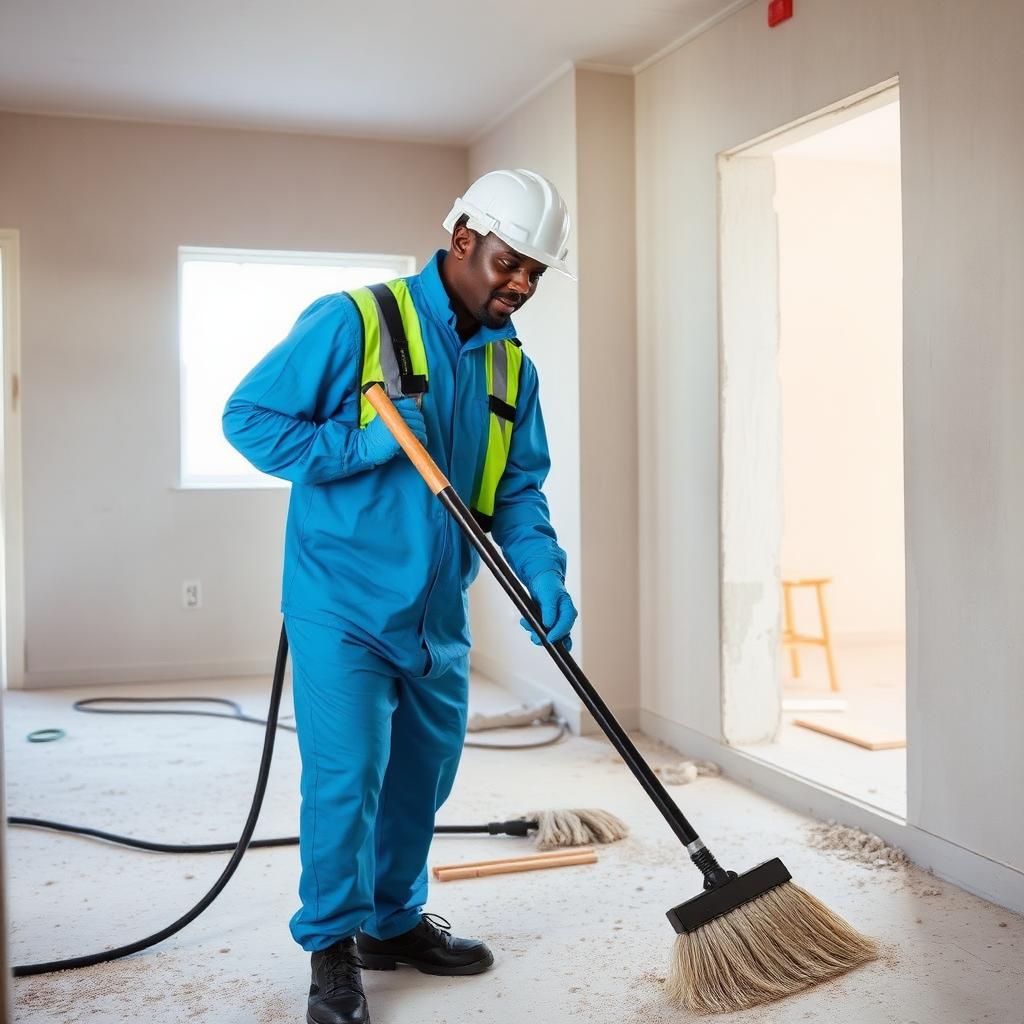
In practice, a lasting result usually needs both. Fumigation clears the current infestation; ongoing pest control and hygiene stop the next one. That is why treatment is often paired with a deep clean, since food debris, grease and damp are what sustain most infestations in the first place.
Related services
How Much Does Fumigation Cost in Nairobi?
There is no single price, and any company quoting one before seeing your property is guessing. Cost depends on:
- Property size — a one-bedroom flat, a five-bedroom house and a warehouse are very different jobs.
- Pest type — bed bugs and rodents take more time and materials than a routine cockroach treatment.
- Severity — a light, early problem costs less than a long-established infestation.
- Treatment method — gel baiting, residual spraying, dusting and proofing carry different material costs.
- Follow-up requirements — whether one or more return visits are needed.
- Access and preparation — occupied commercial premises, after-hours work and difficult access add time.
The practical approach is to request a quote based on your actual property and pest problem, and to confirm in writing what is included — number of visits, areas covered and follow-up.
Areas Covered by Zeb Clean
We serve homes and businesses across Nairobi and the surrounding suburbs, including Westlands, Kilimani, Karen, Lavington, Runda, Kileleshwa, Parklands, South C, South B, Embakasi, Syokimau and Ruaka. If your area is not listed, ask — we cover most of the metropolitan area.
How Can You Prevent Pests From Coming Back?
- Fix leaking taps, pipes and damp patches — most pests need water more urgently than food.
- Store dry food in sealed containers and clear crumbs, grease and spills daily.
- Empty bins nightly and keep the bin area washed down, especially in shared compounds.
- Seal gaps around pipes, vents, door sweeps and skirting to close entry routes.
- Clear cardboard, old newspapers and unused items that create hiding places.
- Coordinate with neighbours in flats and estates — treating one unit alone often just moves the colony.
- Book a periodic professional inspection instead of waiting for the next visible outbreak.
Need Fumigation Services in Nairobi?
If pests keep coming back, an inspection is the fastest way to find out why. Our team treats homes, offices and commercial premises across Nairobi, and pairs treatment with a deep clean where that is what the property actually needs.
Tell us your property size, location and the pest you are dealing with, and we will advise on the right treatment and timing.
Request Fumigation Services in NairobiFrequently asked questions
- How long does fumigation take?
- Most residential treatments take between one and three hours depending on the size of the property and the number of rooms being treated. Larger homes, commercial premises and heavy infestations take longer, and bed bug work is slower because every seam, joint and frame must be treated individually.
- How long should I stay out of the house after fumigation?
- The re-entry period depends on the product used and the type of treatment. Your technician will give you a specific time before work begins — follow that instruction rather than a general rule, and keep children, pets and anyone with a respiratory condition out for the full period.
- Do I need to move out my furniture?
- No. Furniture usually stays, but it should be pulled slightly away from the walls so skirting, sockets and corners can be reached. Food, utensils and open items should be sealed or moved out of the rooms being treated.
- Will one treatment get rid of bed bugs?
- Rarely. Bed bug eggs are not affected by treatment in the same way adult insects are, so a follow-up visit is scheduled to treat the newly hatched generation before it breeds. Skipping the follow-up is the most common reason bed bugs return.
- Is fumigation safe for children and pets?
- Treatments are carried out by trained technicians using controlled dosages and a defined re-entry period. Tell us in advance about infants, pregnancy, asthma or other respiratory conditions, and about pets, fish or birds, so the right products and precautions are used, and keep everyone out until the stated period has passed.
- Should I clean before or after fumigation?
- Light preparation such as clearing clutter and washing bedding helps before treatment. Avoid deep-scrubbing treated surfaces immediately afterwards, as this can remove the residual product — your technician will tell you which surfaces to wipe down and when.
- How often should a business be treated?
- Restaurants, food handling businesses and busy commercial premises typically benefit from scheduled treatments through the year rather than one-off call-outs, with the frequency set by the pest pressure at the site. Offices with no food handling usually need less frequent visits.
- Do you cover my part of Nairobi?
- We work across Nairobi and the surrounding suburbs, including Westlands, Kilimani, Karen, Lavington, Runda, Kileleshwa, Parklands, South C, South B, Embakasi, Syokimau and Ruaka. Contact us with your location and we will confirm availability.
Keep reading